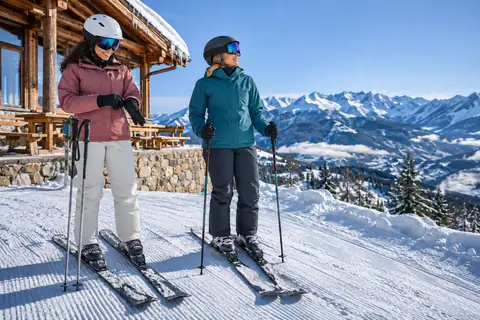
First minute ski holidays in 2027-2028 are winter mountain breaks reserved many months before the season, usually in spring or summer. Early booking secures the best choice of resorts, chalets and apartments for popular weeks such as Christmas, New Year and February half term, and operators often add reduced prices, free lift passes for children or cheaper equipment hire. Snow conditions cannot be guaranteed, so altitude, snowmaking and the position of the accommodation matter. The formula suits families tied to school holidays and groups who want to stay together, provided cancellation terms and insurance are checked first.
Why ski holidays reward early planning
Ski accommodation is limited and demand is concentrated in a few weeks. School holidays bring the highest prices and fastest sell-outs, particularly for chalets with a private chef, apartments close to the lifts and family rooms. Operators release their winter programmes in spring or early summer, and the best rooms in the best resorts can be gone long before the first snowfall.
Early booking also spreads the cost. A deposit at booking, followed by the balance eight to ten weeks before departure, makes a large expense easier to manage. Many operators add discounts for early bookers, children's places or free ski school, and these offers usually end on a published date. Comparing them against the standard price in the same week shows the real value.
Dates should be chosen with care. Early December and late March offer lower prices but less certain snow, January is often cold and quiet with excellent conditions, and February brings the busiest slopes. Travellers with flexibility can balance cost, crowds and conditions, while those tied to half term should reserve as early as possible to keep the best accommodation.
Choosing a resort and altitude
Resorts differ in character. Large linked areas in the French Alps offer hundreds of kilometres of pistes, Austrian villages bring traditional atmosphere and apres-ski, Swiss resorts offer scenic beauty with higher prices, and Italian resorts often provide good value and long lunches. Beginners need gentle nursery slopes and a good ski school, while advanced skiers look for challenging terrain and off-piste options.
Altitude affects snow reliability. Resorts with villages above about 1,800 metres, or with glacier skiing, tend to hold snow better, especially in early and late season. Lower resorts can be charming and cheaper but depend more on snowmaking. Checking the share of pistes covered by snow cannons and the orientation of the slopes helps to gauge the risk in a warm winter.
Language and atmosphere also matter. Some resorts cater mainly to international visitors, while others retain a strong local character with restaurants serving regional dishes such as fondue and raclette. Looking at the village layout, the number of bars and the quality of the ski school helps to find a place that suits the whole group.
Accommodation near the lifts
Location is the key factor in a ski holiday. Ski-in ski-out accommodation allows guests to start and finish the day on the slope and avoids carrying equipment through the village. It costs more than a room a short walk away, and in many resorts a free shuttle bus or a short walk to the lift is a perfectly good compromise.
Formats range from catered chalets and hotels with half board to self-catering apartments. Catered chalets are sociable and simple for families, hotels offer facilities such as spas and pools, and apartments give flexibility and savings, especially for larger groups. Reading recent guest reviews about noise, heating and the distance to shops helps to avoid a poor fit.
Hotels in ski resorts often include breakfast and a four-course dinner, which keeps costs predictable, while chalets offer wine with dinner and afternoon cake. Checking whether linen, towels, parking and a locker for boots are included avoids small charges that add up during a week.
Lift passes, lessons and equipment
Lift passes are priced by days and by area, and early purchase can lower the price. Children and seniors often benefit from reduced rates, and beginners may only need a pass for the nursery area. Multi-day passes bought online before departure usually cost less than those bought at the ticket office, and they allow guests to skip the queue on the first morning.
Ski school is worth booking early for school holiday weeks, since group classes fill quickly. Private lessons are costly but effective for fast progress. Equipment hire reserved online is typically cheaper than on arrival, and it makes sure the right sizes are ready. Helmets are strongly advisable, and many resorts and operators now include them for children at no extra charge.
Ski passes may be bundled with accommodation in some resorts, a practical arrangement that reduces the total. Insurance for the pass itself, sometimes sold at the ticket office, covers a refund if injury ends the holiday early, which is worth considering for a costly multi-day pass.
Getting to the mountains
Transport can account for a large share of the cost. Flights to Geneva, Innsbruck, Salzburg or Grenoble are common, followed by a transfer of one to four hours, and some resorts are reached by train, including direct winter services from London to the Alps. Driving offers freedom but needs snow chains, winter tyres where required and motorway tolls.
Transfers are best booked with the holiday, as shared minibuses and private taxis fill during peak Saturdays. Weekend traffic on the roads to the Alps can be heavy, and airport queues on changeover days are long. Choosing a midweek departure, where the operator permits, can reduce both cost and stress on the journey.
Rail travel is gaining popularity among skiers who prefer to avoid airport queues. Journeys with a change in Paris or Brussels take longer than flying but allow generous luggage and a calmer start. Reserving seats early keeps prices low on busy winter Saturdays.
Insurance, snow and cancellations
Winter sports insurance differs from standard travel insurance. It should cover piste rescue and medical costs, off-piste skiing if relevant, equipment, and the loss of the ski pass. Cancellation cover, as well as cover for avalanche closures or lack of snow in some policies, deserves a careful check, since many resorts refuse to refund when snow is thin but lifts are open.
Operators' terms usually follow a scale, with the deposit lost first and a rising percentage later. A ski booking that is changed close to departure may be expensive. Taking out insurance at the moment of booking ensures that cancellation reasons arising later are covered, and keeping medical certificates and receipts supports any claim.
Season conditions vary from year to year, and tourist offices publish snow reports that show the base depth and open lifts. Checking these reports in the weeks before departure helps to adjust expectations, and a flexible attitude about the pistes is part of the pleasure of a mountain holiday.
Family and budget advice
Families benefit from resorts with childcare, nursery slopes close to accommodation and ski schools that speak English. Some operators offer free child places in selected weeks, and an off-peak week can cut the bill substantially. Packing layers, goggles, gloves and sun cream, even in winter, avoids costly purchases in the resort shops, where prices are high.
Budget travellers can save by choosing smaller resorts, self-catering and midweek travel, or by skiing in January and March when prices drop. Eating at mountain restaurants is pricey, so a picnic or a lunch in the village can lower the daily spend. Setting a daily budget for food, lessons and extras keeps the total under control.
Health and fitness are often overlooked. A few weeks of leg exercises before departure reduces the risk of injury, and acclimatising to altitude by drinking water and resting on the first evening helps. Children should be dressed warmly and reminded to apply sun cream regularly on the snow.
Operators and companies that sell early booking ski holidays
- Crystal Ski Holidays — Ski operator selling hotels, chalets and apartments across Europe and North America.
- Inghams — Long-established ski specialist with hotel and chalet holidays in the Alps.
- Skiworld — Operator offering catered chalets, hotels and apartments in many resorts.
- Esprit Ski — Family ski specialist with chalets and childcare in the Alps.
- Club Med — Resort brand offering all-inclusive ski holidays with lessons and lift passes.
- easyJet holidays — Package holidays that combine flights with ski accommodation.
- Booking.com — Accommodation platform listing ski hotels and apartments.
- Eurostar — Rail operator running snow trains from London to the French Alps in winter.
A leading ski operator publishes resorts, accommodation and early booking offers for the coming winter. Crystal Ski Holidays