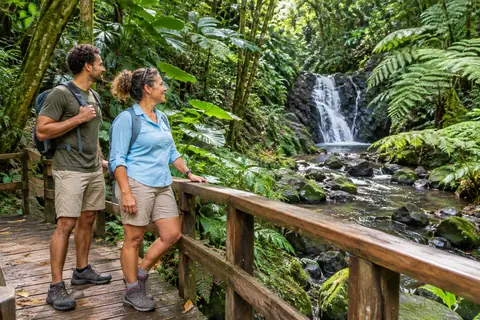
In Vietnam, first minute travel for 2027-2028 means reserving long-haul flights, hotels, cruises and internal transport many months ahead, often when operators release new programmes. The country stretches along the coast of Southeast Asia, from Hanoi and Ha Long Bay in the north to Hue, Da Nang and Hoi An in the centre and Ho Chi Minh City and the Mekong Delta in the south. Early buyers gain a better choice of boutique hotels and cabins on popular cruises, more time to arrange an e-visa where needed, and easier planning around the Tet festival.
Why early reservation helps in Vietnam
Vietnam is long and narrow, so most itineraries link several regions with domestic flights, trains or road transfers. Each link needs a seat, and popular routes fill quickly around public holidays and school breaks. Boutique hotels in Hoi An and Hanoi's Old Quarter, family rooms in beach resorts and cabins on well-rated Ha Long Bay cruises are limited in number. Reserving early secures them and allows the remaining days to be arranged around fixed points.
Long-haul flights are another reason. Fares from Britain and Europe tend to rise as the departure date approaches, and the most convenient connections via Gulf or Asian hubs sell out in peak months. Early bookers can compare routes calmly, balancing travel time against price. Many tour operators also offer reduced deposits and free changes for a limited period after publishing a new programme, though the exact conditions differ between companies.
Climate and the right season for each region
The country has three distinct climate zones. In the north, Hanoi and Sapa have cool, sometimes cold winters from December to February and hot, humid summers, with the pleasant months being October, November, March and April. The centre, including Hue, Da Nang and Hoi An, enjoys dry weather from roughly February to August but is exposed to heavy rain and typhoons from September to December, when flooding can disrupt travel.
The south is warm all year, with a dry season from about December to April and a wet season from May to October, characterised by short, heavy afternoon showers. Beaches on Phu Quoc are best in the drier months, while Nha Trang and Con Dao have their own patterns. Because the best months differ by region, a trip that covers the whole country usually involves compromise, and many travellers choose to focus on the north and centre or on the south.
Entry requirements and the Tet festival
Entry rules depend on nationality. Some visitors, including British citizens, have been granted visa-free stays of a limited length, while others apply for an electronic visa through the official government portal, which is processed online. Rules have changed several times in recent years, so travellers should rely only on official sources, check the current position before booking and make sure the passport has sufficient validity beyond the planned stay.
Tet, the lunar new year, takes place in late January or February and is the most important holiday of the year. Many Vietnamese families travel, buses and trains are crowded, domestic flights are costly, and some shops and restaurants close for several days. Visitors can enjoy the festive atmosphere in Hanoi and Hoi An, but should reserve transport and rooms well ahead and accept that some services will be limited.
Flights, trains and getting around
International arrivals are concentrated at Hanoi Noi Bai, Ho Chi Minh City Tan Son Nhat and Da Nang. Direct flights run from London on Vietnam Airlines, while many travellers connect through Singapore, Bangkok, Doha, Dubai or Istanbul. Domestic carriers such as Vietnam Airlines, Vietjet Air and Bamboo Airways link the main cities, with the lowest fares available well ahead. Baggage rules on low-cost carriers are strict, so extra weight should be purchased online in advance.
The north–south railway line offers a scenic way to travel between Hanoi, Hue, Da Nang and Ho Chi Minh City, with sleeper compartments on overnight services. Seats on popular departures sell out, and tickets can be bought online through authorised sellers. Within cities, ride-hailing apps are widely used, and private drivers are practical for day trips. Motorbike rental requires an appropriate licence and insurance, and many visitors prefer to leave that to the locals.
Hotels, homestays and cruises
Accommodation ranges from inexpensive guesthouses to grand colonial hotels and beach resorts. Hanoi and Ho Chi Minh City have hotels in every price band, while Hoi An is known for small boutique properties with pools within walking distance of the old town. In the north, homestays in Sapa, Mai Chau and Ha Giang give contact with ethnic minority communities. The standard of service is often high for the price, but reading recent reviews helps to compare locations and noise levels.
A cruise on Ha Long or Lan Ha Bay, lasting one or two nights, is a highlight for many visitors. Boats vary from basic vessels to luxurious ships with private balconies, and quality is not always obvious from brochures. Choosing a licensed operator with a good record, and reserving early for the best cabins, avoids disappointment. Weather can affect sailings, and companies may cancel or reroute cruises during storms, so understanding the refund policy is useful. Travellers prone to seasickness can pick a calmer bay or a shorter cruise, which still delivers the famous scenery.
Highlights worth building the route around
Hanoi mixes temples, lakes, colonial architecture and street food, while Ninh Binh offers limestone landscapes and boat rides among rice fields. Hue holds the imperial citadel and royal tombs, and Hoi An charms with lantern-lit streets and tailors. Da Nang is a gateway to the Marble Mountains and long beaches, and the Hai Van Pass makes a spectacular drive between Hue and Da Nang. Further south, Ho Chi Minh City offers museums, markets and a lively food scene.
Nature lovers can trek through terraced mountains near Sapa, explore caves at Phong Nha-Ke Bang National Park or take boat trips on the Mekong Delta's floating markets. Cooking classes, motorbike food tours and visits to craft villages add variety. Spreading the days evenly rather than rushing between many places gives a better feel for each region, and early reservations for guided activities make it easier to schedule them around the weather.
Costs, money and sensible precautions
Vietnam remains good value compared with many countries, and meals, local transport and guided excursions cost less than in Europe. Flights and quality hotels take up the bulk of a budget. The currency is the dong, with cash accepted nearly everywhere and cards in larger hotels and restaurants. Cash machines are common in cities, though withdrawal limits apply, and some places add fees. Carrying small notes helps with taxis and markets, where change is not always available for large banknotes.
Health preparation should include routine vaccinations and advice on hepatitis, typhoid and mosquito protection, and drinking bottled or filtered water is standard, along with careful handwashing before meals. Traffic is intense, so crossing roads requires care. Travel insurance with medical cover, repatriation and cancellation protection is essential, particularly for those planning trekking or motorbike travel. Reading the terms of every advance offer, including deposits and change fees, completes the preparation.
Companies that sell first minute travel to Vietnam
- Vietnam Airlines — National carrier with flights from London and across Vietnam.
- Kuoni UK — Long-haul specialist with Vietnam tours and beach extensions.
- Trailfinders — Travel agency offering tailor-made routes in Vietnam and Southeast Asia.
- Audley Travel — Tailor-made itineraries with local guides in Vietnam.
- Intrepid Travel — Small-group tours covering Vietnam from north to south.
- Exodus Adventure Travels — Operator offering walking, cycling and cultural journeys in Vietnam.
- Responsible Travel — Platform listing small-group holidays with local companies.
- Booking.com — Accommodation platform with hotels and homestays across Vietnam.
Tailor-made Vietnam itineraries with local guides can be explored on the operator's own pages. Audley Travel