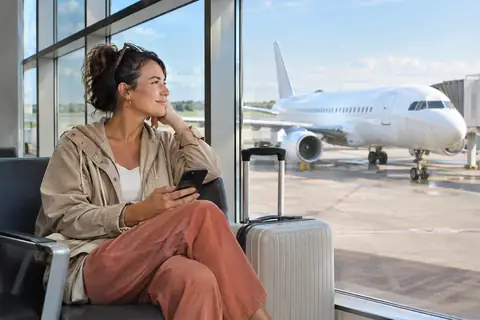
First minute solo holidays in 2027-2028 are breaks reserved well ahead by people travelling alone, who want to avoid the single supplement and secure a good room or a place on a group tour. Early booking gives the widest choice of flights, single rooms and escorted departures, and some operators reduce or waive the extra charge for one person during early campaigns. The formula suits those who want independence with some structure, from a beach week with other guests to a city break or a small group tour. Safety, flexible terms and the right choice of hotel matter most.
Why solo travellers gain from booking early
Travelling alone brings freedom, but it also brings a pricing problem: most hotel rooms and package holidays are priced for two people. A solo guest is often charged a single supplement or pays the price of a double room, which can add a noticeable amount to the total. Booking early is one of the few ways to reduce this cost, because promotions are broader at the start of the sales period.
Availability is the second argument. Single rooms are scarce in many hotels, and escorted tours often set a small number of places for people on their own. Waiting until the last weeks can leave only expensive double rooms or a room in a poor position. Early reservation lets the traveller choose the exact departure date and room type calmly.
Planning also reduces stress. Someone travelling without a companion carries every decision alone, from the airport transfer to the first night's dinner. Having flights, accommodation and arrival details settled months before departure makes the trip smoother, and it leaves energy for the pleasures of the journey rather than for logistics.
Single supplements and how to reduce them
The single supplement is the extra amount charged when one person occupies a room designed for two. It varies widely between operators, hotels and seasons, and it can range from a modest sum to a large share of the package price. Reading the pricing table in the brochure or online booking page shows precisely how the charge is calculated.
Several approaches help. Some operators offer a reduced or waived supplement on selected departures, usually announced during early booking campaigns. Others run room sharing schemes in which travellers are matched with a person of the same sex. Studios, small hotels and apartments with a single room price can also avoid the issue, and guesthouses are often kinder than large resorts.
Timing the trip outside the school holidays is another lever. Many hotels fill their double rooms in July and August and are happy to sell a room to one person in May, June or September at a lower rate. Flexibility on the departure day can move the price noticeably, so comparing a few dates is worthwhile.
Group tours, solo friendly resorts and independent trips
Travelling alone does not mean dining alone. Escorted tours, activity weeks and holidays aimed at single travellers provide built in company, with a guide and a group that often includes people of similar ages. Walking, cycling, cultural and food themed tours are popular formats, and many operators publish the typical age range and the share of solo guests on each departure.
Resorts with sociable atmospheres suit others who prefer a relaxed environment. Hotels with shared tables at dinner, evening activities, excursions with a rep and a lively pool area make it easy to meet people without any obligation. Quieter adult only hotels, by contrast, give peace for reading and walking, which some travellers prefer.
Independent travel gives the most freedom. A city break with a flight and a well located hotel lets the traveller set the pace, and local walking tours or cooking classes provide company when wanted. A mix is also possible: a few days of independent exploration followed by a small group excursion, booked in advance so the best guides are available.
Choosing destinations that feel easy and safe
For a first trip alone, destinations with straightforward transport, good English and a strong tourist infrastructure feel reassuring. Portugal, Spain, Italy, Greece, Malta, the Netherlands and Austria are often chosen, as are cities with compact centres and reliable public transport. Walkable areas that are lively in the evening make solo dining more comfortable.
Safety deserves practical attention rather than fear. Reading recent traveller reviews about the neighbourhood, checking that the hotel has a staffed reception, and arranging a licensed transfer for late arrivals are sensible measures. Sharing the itinerary with a relative or friend and keeping copies of documents give additional security without spoiling the trip.
Climate and season matter as well. A solo traveller who dislikes crowded beaches can choose shoulder months, when temperatures are pleasant and hotels are quieter. Winter city breaks, spring walking holidays and autumn sun trips each suit a different style, and early booking helps secure the right month before prices rise.
Flights, rooms and flexible terms for solo bookings
Airfares are charged per person, so solo travellers do not face a supplement on the flight itself, but they should compare baggage rules, seat selection fees and the time of arrival. A late night landing in an unknown city can be tiring, and an earlier flight with a daylight arrival often feels safer and more relaxing, even if it costs a little more.
Room choice is the most important decision. Asking for a quiet room, a floor above the street and a position near the lift can improve comfort and security. Hotels often reserve their best single rooms for those who ask early, and a polite note at booking time is usually recorded by the reservations team.
Flexibility is especially useful when no companion can take over the booking. Terms that allow a free date change or a partial refund until a given deadline reduce the risk of losing money if work or health interferes. Comparing the cancellation schedule, deposit and balance dates across operators gives a clearer view than the headline price alone.
Money, insurance and everyday practicalities
Budgeting for a solo holiday means allowing for costs that a couple would share, such as taxis, meals and some excursions. Eating in a hotel on half board, buying a multi day transport pass and joining an organised excursion can reduce spending. A small reserve for the unexpected, held on a card with fair foreign charges, is wise.
Travel insurance carries more weight when nobody else is present to help. A policy should cover medical treatment abroad, repatriation, lost baggage and cancellation for illness or a family emergency. Travellers should confirm that activities such as hiking or diving are included and that existing health conditions are declared, as unreported conditions can affect a claim.
Everyday details add comfort. Keeping a charged phone, a power bank, an offline map and the hotel address in the local language helps when plans change. Many travellers also store emergency numbers and bank contacts separately from their wallet, and leave a spare card in the room safe. Such small steps make travelling alone simple.
Mistakes to avoid when travelling on your own
A common mistake is to book a package designed for couples and to find out only at the payment stage that the single supplement is large. Checking the supplement before comparing hotels avoids this, and so does searching specifically for solo departures. Some operators publish a separate brochure or filter for people travelling alone.
Another error is to plan every hour. A balanced itinerary leaves free time and space to rest, particularly after an early flight. Overbooking excursions in a destination reached after a long journey often leads to tiredness. Starting with a quiet first day and adding activities gradually usually works better than a rigid schedule.
Finally, some travellers hesitate to ask for help or to make contact with other guests. Introducing oneself at a group dinner, joining a guided walk or asking the reception for local suggestions is a simple way to feel connected. A friendly approach, combined with sensible caution, turns many solo holidays into the most memorable ones.
Organisations that sell first minute solo holidays
- Just You — Escorted tours and holidays designed for single travellers, with room sharing and no single supplement options.
- Solo Traveller — Small group holidays and resort breaks for people travelling alone.
- Saga Holidays — Escorted tours, cruises and breaks for travellers over fifty, with dedicated solo departures.
- Exodus Adventure Travels — Small group walking, cycling and cultural trips with solo friendly departures.
- TUI UK — Package holidays and flights with hotels that sell single rooms and promote early offers.
- Jet2holidays — Package holidays from many UK airports, including hotels with single room rates.
- Kuoni UK — Tailor made trips for those who prefer to travel independently with expert help.
- Intrepid Travel — Small group tours around the world with a single supplement choice or room share.
For escorted departures without a heavy single supplement, the solo holidays of Just You are a useful reference. Just You