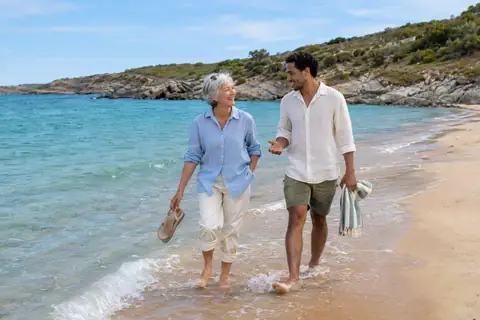
In Greece, first minute travel for 2027-2028 means reserving flights, hotels and ferries many months before the summer, when the best island rooms and family suites are still available. The country spans the Aegean and Ionian seas, with Athens, Santorini, Rhodes, Corfu and Zakynthos among the favourites. The main season runs from May to October, with July and August the busiest and most expensive. Early bookers typically pay a deposit, keep some flexibility on dates and have time to compare resorts, airports and board options before prices rise and popular departures sell out.
How early offers work across the Greek islands
Operators publish their summer programmes long before the season starts, and the earliest buyers see the widest choice of islands, hotels and flight times. A small deposit usually secures the booking, and the balance is due weeks before departure. Packages may include transfers, breakfast, half board or all-inclusive options, and some give free child places for early bookings. The saving is never certain, yet a better choice of rooms close to the beach and flights at convenient hours is a dependable advantage of booking early.
Because Greece has many islands with limited hotel capacity, popular places fill early, especially during school holidays. Santorini, Mykonos, Corfu and Zakynthos are particularly sought after, and small family-run hotels often sell out first. Reading the conditions is essential: amendments, name changes, surcharges and cancellation terms vary between sellers. Keeping written confirmations and comparing at least three offers for the same week helps to find the right balance of price and flexibility without taking unnecessary risks.
Choosing the right island or region
Each area has its own character. Crete, Rhodes and Kos offer long seasons, wide beaches and a mix of history and nightlife. Corfu and Zakynthos, in the Ionian Sea, are greener, with calmer water and dramatic coves. The Cyclades, including Santorini, Paros and Naxos, have whitewashed villages and clear Aegean water but are more exposed to wind. The Peloponnese and the mainland coast combine ancient sites with quiet beaches, and Halkidiki's sandy peninsulas are popular with families who like gentle sea and pine forest.
Matching island to travellers matters. Couples may prefer Santorini or Milos for scenery, families look for shallow beaches and kids' clubs in Rhodes or Kos, and walkers enjoy the paths of Naxos, Sifnos or Crete. Party seekers head for Mykonos, Ios or Zante, while those wanting calm choose smaller islands such as Paxos or Skopelos. Early booking gives time to compare these options, read independent reviews and select an area that matches the group, rather than choosing whatever remains.
Best times to go and what to expect
The main season runs from May to October. Late spring is green and fresh, with wild flowers and good walking conditions but cooler sea. June and September are widely seen as the best compromise, with warm sea, long days and prices below the July and August peak. High summer is hot, with temperatures that can exceed forty degrees inland, and the meltemi, a strong northerly wind, blows across the Aegean and cools the coast. October is mild, though some businesses start to close on smaller islands.
The shoulder months offer another advantage: crowds are smaller, ferries are less packed and prices of accommodation and car hire are lower. Spring Easter is a major celebration, with processions and festive food, and many Greeks travel at that time, so rooms need early reservation. Winters are mild in the south but rainy, and city breaks in Athens or Thessaloniki are more appealing than island stays. Choosing the month before choosing the hotel is a useful rule when planning.
Flights, ferries and island hopping
Many Greek islands have airports served by direct charter and low-cost flights from Britain and Europe in summer, while others are reached by ferry from Piraeus, Rafina or Lavrio, or by a short domestic flight from Athens. Ferries range from conventional ships to fast catamarans, and tickets can be booked online ahead. In July and August, popular routes fill, particularly for cars, so early reservation of crossings is wise. Sea conditions and wind can delay or cancel sailings, so leave a buffer before any return flight.
Island hopping is attractive but requires planning. Combining two or three islands within the same group, such as Paros, Naxos and Santorini, reduces travel time. Pack light, since luggage must be carried on and off boats, and check whether bags are handled by the operator. Some ferry companies sell flexible tickets that can be changed without penalty. A well-planned route avoids long transfers and gives more time on the beach, and it is easiest to arrange when reservations are made months ahead.
Athens and the cultural side of Greece
Athens rewards a stay of two or three days. The Acropolis, the Parthenon and the New Acropolis Museum are the centrepieces, joined by the ancient Agora, the Plaka neighbourhood and the lively markets of Monastiraki. Timed tickets for the Acropolis are available online and are worth buying in advance during busy months, when queues at midday can be long and the heat strong. Early morning or late afternoon visits are more comfortable, and a combined ticket covers several nearby archaeological sites.
Other cultural highlights include Delphi, Olympia, Mycenae and Epidaurus on the mainland, the monasteries of Meteora, and the medieval town of Rhodes. Coaches and day trips from Athens make these simple to visit, and many tour operators offer short classical circuits that can be added to an island stay. Wear comfortable shoes, bring a hat and water, and respect rules on climbing monuments. Booking these excursions at the same time as the main holiday often brings small discounts and saves precious time.
Food, drink and local customs
Greek cooking is based on olive oil, fresh vegetables, grilled meat and fish, and local cheeses. Typical dishes include moussaka, souvlaki, horiatiki salad, grilled octopus and spanakopita, followed by yoghurt with honey. Tavernas often bring small plates to share, and house wine or ouzo accompanies meals. Meals start late, especially in summer, and service is relaxed; the bill is usually brought on request. Tipping is appreciated, commonly by rounding up or leaving around ten per cent for good service.
Customs are friendly and informal. Shoulders and knees should be covered in churches and monasteries, and Orthodox Easter and religious holidays change opening hours. Sundays are quiet in smaller towns, and shops may close during the afternoon heat. Tap water is generally safe in towns, though on some islands it is brackish, and bottled water is easy to find. Sun protection is vital, and swimmers should watch for sea urchins on rocky shores. A basic greeting in Greek is always warmly received.
Budget, insurance and avoiding pitfalls
Prices differ greatly between islands and months. Santorini and Mykonos are among the most expensive, while Crete, Rhodes and Corfu offer a wide range of budgets. Package holidays provide a fixed total, while independent travel allows picking flights, rooms and ferries separately. Local charges, such as the accommodation tax collected per night by Greek hotels, may be payable at the hotel. Compare the full cost, including transfers, car hire and meals, and ask about resort extras before accepting the lowest advertised price.
Travel insurance should include cancellation, medical care and baggage, and should be purchased alongside the first deposit. Check passport validity and current entry rules for the Schengen area, including any electronic authorisation scheme in force at the time of travel. Keep copies of tickets, hotel vouchers and ferry bookings, and note the date of the final payment. Package contracts carry financial protection that separate bookings do not, so it helps to know which kind has been signed. Paying on time keeps the early rate secure.
Operators selling first minute holidays to Greece
- easyJet holidays — Package holidays with flights and hotels to Greek islands and Athens from many British airports.
- Jet2holidays — Packages to Crete, Corfu, Rhodes, Kos and Zante with transfers and baggage included.
- TUI UK — Large operator with a wide choice of Greek island hotels, flights and family options.
- loveholidays — Online agency comparing Greek hotel and flight packages across many resorts.
- On the Beach — Online seller of beach packages and hotels in the Greek islands.
- Kuoni — Tailor-made travel specialist arranging island stays, villas and private tours in Greece.
- Aegean Airlines — Greek airline connecting Athens with the islands and offering routes from Europe.
- Ferryhopper — Online platform for booking ferry crossings between Greek islands and the mainland.
- Booking.com — Accommodation platform listing hotels, apartments and villas across Greece.
Greek island packages combining flights and hotels can be compared at easyJet holidays. easyJet holidays